
Obsessive Compulsive Disorder OCD
OCD Treatment in Burewala
Understanding OCD
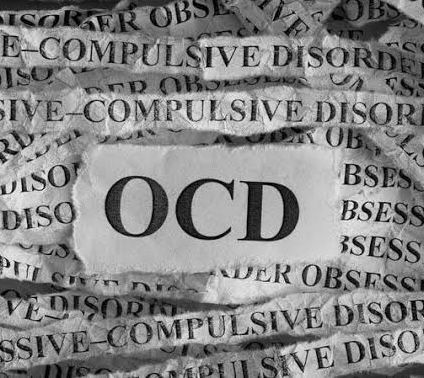
Obsessive Compulsive Disorder involves intrusive, unwanted thoughts that cause anxiety. It also involves repetitive behaviors or mental acts performed to reduce that anxiety.
OCD can be severely distressing and time-consuming.
Many people with OCD suffer for years before seeking help. With appropriate psychiatric treatment, most people experience significant symptom reduction and improved functioning.
What It Is?
OCD consists of two main components: obsessions and compulsions.
Obsessions are intrusive, unwanted thoughts, images, or urges that cause significant anxiety. Common themes include contamination fears, fears of harm to self or others, need for symmetry or exactness, or unwanted violent or sexual thoughts.
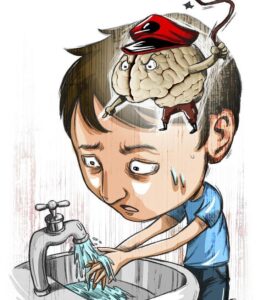
Compulsions are repetitive behaviors or mental acts performed to reduce anxiety from obsessions. Examples include excessive washing or cleaning, checking behaviors, counting or repeating actions, or seeking reassurance.
The cycle of obsession triggering anxiety and compulsion providing temporary relief becomes self-reinforcing. It becomes increasingly time-consuming.

Common Symptoms
People with OCD experience:
- Recurrent, persistent intrusive thoughts causing distress
- Recognition that thoughts are excessive or unreasonable
- Repetitive behaviors or mental rituals
- Significant time spent on obsessions or compulsions
Impact often includes:
- Interference with daily activities
- Difficulty maintaining relationships
- Avoidance of triggering situations
- Severe distress or functional impairment
Some people spend hours daily on OCD symptoms.
How Treatment Helps
Specialized psychiatric treatment for OCD is effective.
Primary approaches include:
- Exposure and response prevention therapy
- Cognitive techniques to address obsessive thoughts
- Medication that can significantly reduce symptoms
- Combined treatment often producing best results
Treatment helps:
- Break the obsession-compulsion cycle
- Reduce anxiety associated with obsessive thoughts
- Decrease time spent on compulsions
- Improve overall functioning
While OCD is typically a chronic condition, proper treatment can reduce symptoms substantially. Many people achieve good control and significant quality of life improvement.

What to Expect in Consultation
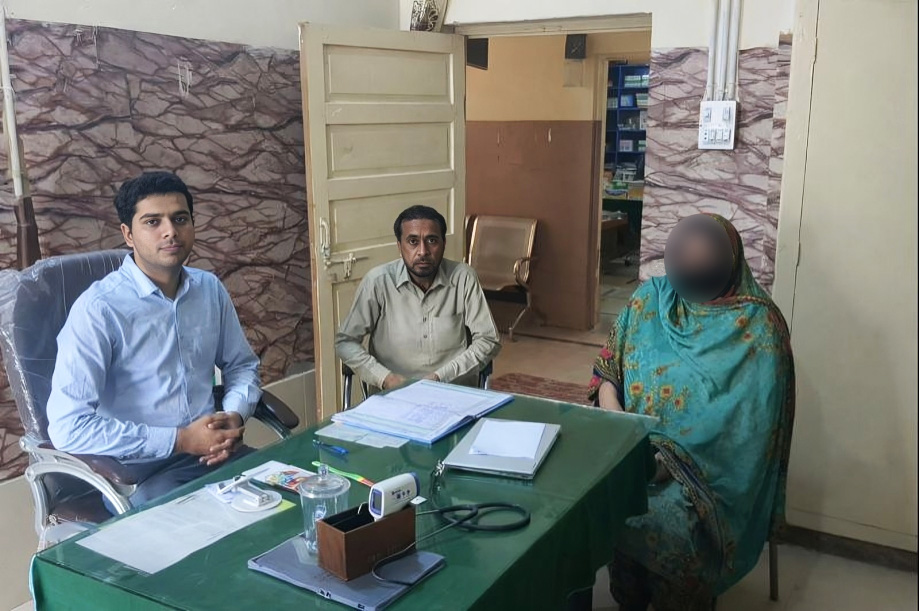
Your consultation involves discussing specific obsessions and compulsions. This includes their frequency and severity, impact on functioning, and how long symptoms have been present.
Dr. Wajid conducts thorough OCD assessment and develops an appropriate treatment plan. This may include medication, specialized therapeutic approaches, or both. Treatment is tailored to your specific symptom pattern.
When to Seek Help
Seek support if:
- Intrusive thoughts cause significant distress
- Compulsive behaviors consume substantial time
- Symptoms interfere with work or relationships
- You recognize patterns but can’t control them
Early treatment often leads to better outcomes. OCD doesn’t improve without intervention.
OCD Treatment in Burewala
Psychiatric care for OCD. Symptom reduction and improved functioning are achievable. People in Burewala living with OCD have found relief through specialized treatment. You can experience less control by obsessions and compulsions.
OCD treatment. You can feel less controlled by obsessions and compulsions.