
Depression
Depression Treatment
Understanding Depression
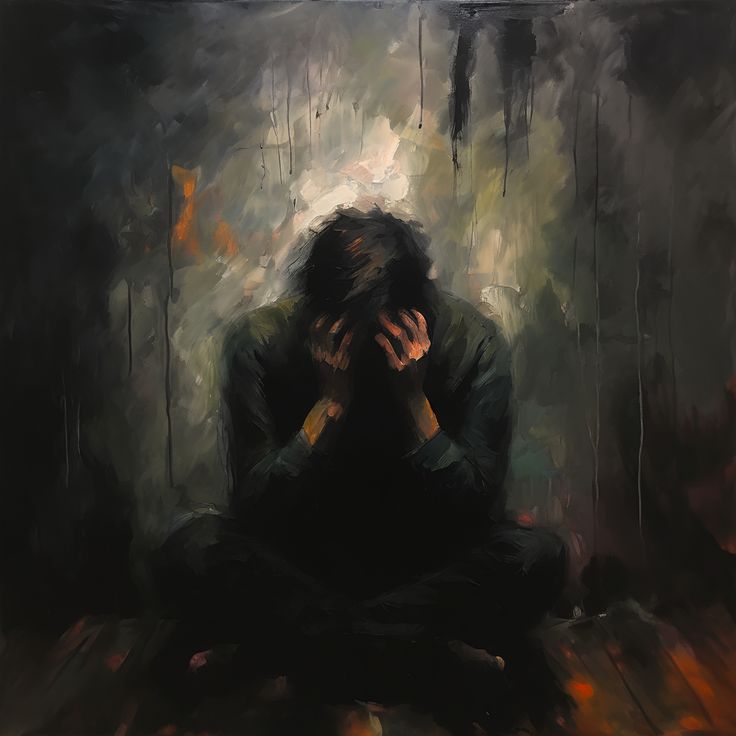
Depression is a serious mental health condition. It involves persistent low mood, loss of interest, and other symptoms that significantly affect daily functioning.
It’s not simply sadness or weakness. It’s a medical condition requiring treatment.
Depression affects millions of people. With appropriate psychiatric care, most people experience substantial improvement. Recovery is possible, though it takes time and support.

What It Is?
Depression, or major depressive disorder, involves persistent feelings of sadness, emptiness, or hopelessness. These last at least two weeks. It affects thoughts, emotions, physical health, and behavior.
Depression results from complex interactions of biological, psychological, and social factors. Chemical imbalances in the brain, stressful life events, genetic factors, and other elements can contribute.
It’s a real medical condition, not a character flaw.

Common Symptoms
Depression symptoms may include:
- Persistent sad or empty mood
- Loss of interest in previously enjoyed activities
- Significant changes in appetite or weight
- Sleep disturbances
- Fatigue or low energy
- Feelings of worthlessness or excessive guilt
Other symptoms include:
- Difficulty concentrating or making decisions
- Physical aches without clear cause
- Withdrawal from social activities
- In severe cases, thoughts of death or suicide
Not everyone experiences all symptoms. Severity and specific presentation vary individually.
How Treatment Helps
Psychiatric treatment for depression is highly effective.
Approaches may include:
- Medication to correct chemical imbalances affecting mood
- Psychotherapy to address negative thought patterns and behaviors
- Lifestyle guidance supporting recovery
Treatment helps:
- Restore chemical balance in the brain
- Reduce symptoms like sadness and fatigue
- Improve sleep and energy
- Restore interest in activities
- Develop healthier thinking patterns
Many people begin feeling better within weeks of starting treatment. Full recovery takes longer. With care, significant improvement is achievable.
What to Expect in Consultation
Your consultation involves discussing your symptoms. This includes how long they’ve lasted, their severity, and impact on daily life. Dr. Wajid conducts thorough assessment to confirm depression and rule out other conditions.
Based on evaluation, a personalized treatment plan is developed. This may include medication, therapeutic approaches, or both. You’ll have opportunities to ask questions and understand all recommendations.
When to Seek Help
Seek support if you experience:
- Persistent low mood lasting two weeks or longer
- Loss of interest in most activities
- Symptoms interfering with work or relationships
- Thoughts of death or suicide
If you’re having thoughts of harming yourself, seek immediate help. Contact emergency services, go to the nearest hospital, or call a crisis helpline. Your safety matters. Depression is treatable. You don’t have to continue suffering.
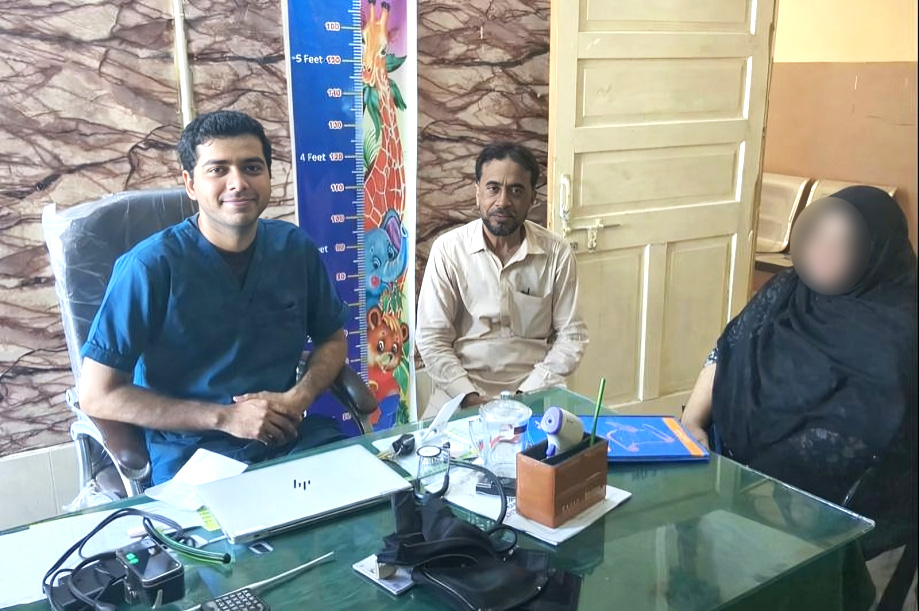
Depression Treatment in Burewala
Psychiatric care for depression. Recovery and hope are possible. Many people in Burewala have found relief from depression through treatment. You deserve to feel better.
Confidential support for depression. You deserve to feel better.